
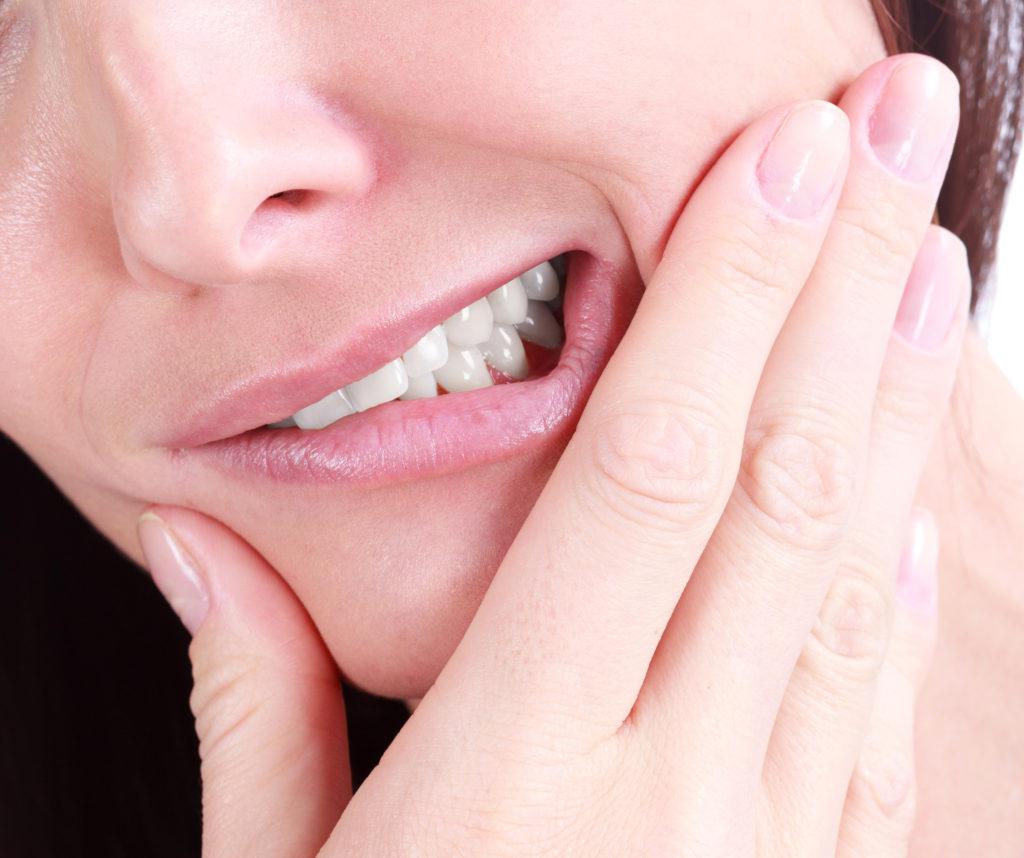
TMJ Treatment
The temporomandibular joints (TMJ) are located on both sides of the head and function as a hinge that connects the lower jaw to the skull. These joints are very important as they allow us to open and close our mouths, speak, and swallow.
An imbalance in the TMJ or damage to any part of this system may result in TMJ disorders. These disorders can lead to discomfort and pain that radiate to the neck and back.
Causes of TMJ disorders
While the exact causes of TMJ remain unknown, it is most often linked to a misaligned bite. Trauma to the jaw joint may also contribute to TMJ disorders.
Other possible causes of TMJ disorder:
- 1. Disc erosion
- 2. Teeth grinding and clenching
- 3. Dislocation
- 4. Injury
- 5. Poor posture
- 6. Dental braces
- 7. Stress
- 8. Arthritis
- 9. Lack of sleep
How do I know if I have a TMJ disorder?
Symptoms of TMJ disorders vary per individual. Here are possible signs to look out for:
- 1. Pain or clicking and popping sound when you open or close your mouth
- 2. Limited jaw movement
- 3. Chewing difficulties
- 4. Pain in the neck and facial area
- 5. Stiff muscles in the jaw area
- 6. Pain around the ears
- 7. Headaches and migraines
- 8. Locking jaw
- 9. Changes in the way the teeth align
To determine whether you have TMJ problems, see your dentist in Kemptville, ON for a diagnosis. Your dentist will check your joints and muscles for potential symptoms. They may also refer you to a specialist should you need further examinations.
Possible TMJ Treatments in Kemptville, ON
Treatments for TMJ vary. Depending on your diagnosis, you may start with simple treatments before moving to major procedures.
Here at Kemptville Smiles Dentistry, we look into the possibility of using conservative treatments first to address problems. For instance, we may recommend switching to a soft food diet or relieving discomfort or pain using heat packs.
If these remedies aren’t enough, we can look into using custom oral appliances that you can wear while sleeping. These devices are made especially for you to ensure a comfortable fit.
A custom night guard can protect your teeth against the potentially harmful effects of teeth clenching and grinding. It also serves as a cushion for the jaw muscles.
Another potential solution is to fix teeth alignment through orthodontic procedures. Correcting a bad bite can eliminate unnecessary pressure on the jaw joints and treat TMJ problems.
Our team provides customized TMJ treatment solutions, and we do our best to accommodate you as soon as possible. If you’re in Kemptville, ON, and feel you may have issues with your jaw joints, contact us today at (613) 258-7373 to request an appointment or click the button below.
How to handle certain dental emergencies:
Avulsed tooth (knocked-out tooth):
When a tooth gets knocked out from trauma, the oral tissues become damaged and it can be difficult for them to heal on their own. In most cases, a tooth can be placed back into position if you get to the dentist promptly.
If your tooth gets knocked out follow these steps:
- 1. Call our office at (613) 258-7373.
- 2. Pick up the tooth and rinse it under warm water. DO NOT touch the root.
- 3. Place the tooth back into its socket if possible – if not tuck it into your cheek.
- 4. If the tooth cannot be placed back in the mouth, place it in a cup of milk, saliva, or water as a last resort. It is important that the tooth does not dry out.
- 5. See your dentist as soon as possible.
We will try our best to replace the tooth in its natural socket, but if damage is too severe then root canal therapy might be necessary.
Lost filling or crown:
When a crown or filling comes loose it’s often while eating. Once out of the mouth, the affected tooth can be very sensitive to temperature changes and pressure. Generally crowns become loose because of decay beneath the tooth. The decay causes shape changes in the teeth which can cause problems with the fit of the crown.
Make a dental appointment as soon as possible if you lose a dental crown or filling. Crowns can be reinserted so it is important to keep them in a cool, safe place. If the crown is out of the mouth for a long period of time, the teeth may shift and cause further damage.
Cracked or broken teeth:
Teeth are strong, but still prone to fractures. Sometimes cracks that don’t extend down into the root might cause minor discomfort when eating something hot. However, if it is a deeper injury and your tooth has been cracked or broken then you should see us as soon as possible because extraction might become necessary.
If a segment of your tooth has been broken off, here are some steps that can be taken at home:
- 1. Call our office at (613) 258-7373.
- 2. Rinse the tooth and mouth with lukewarm water.
- 3. Apply gauze to the area for ten minutes if there is bleeding.
- 4. Place a cool, damp cloth on the cheek to help with swelling and relieve any pain.
- 5. Take a topical pain reliever.
The nature of a tooth’s break or fracture will determine what we are able to do at our dental office. If the crack extends into the root, then this may be a situation where a root canal is needed. Though root canal treatment should only proceed when all other options have been exhausted.
Dislodged/loose teeth:
Your dentist will reposition the tooth and stabilize it. If the tooth fails to heal you may require a root canal. The process of a root canal helps to save the tooth by removing any bacteria in its interior so it can no longer cause pain but also prepares the mouth before installing crowns and bridges. If this procedure is done early enough there’s less risk of complications occurring in the future.
It is important to call our office immediately if you have a loose or dislodged tooth. Prior to getting to the office, use a cold compress and over-the-counter medications to relieve pain.
If you are experiencing a dental emergency please contact our office at (613) 258-7373.